
EU’s Digital Fairness Act Could Change Influencer Marketing, Online Pricing and Subscription Practices
The European Commission’s proposed Digital Fairness Act could affect influencer promotions, online prices, subscription services and website design, although no new obligations have yet been adopted.
Europe’s Most Effective Marketing Campaigns: What the 2026 Effie Finalists Reveal About Advertising

Effie Awards Europe has shortlisted 132 finalists in 2026, highlighting sustained brand performance, commercial results and cross-border marketing.
European Commission Opens €20.5 Million Funding Programme for Journalism and Media Literacy
The European Commission has opened €20.5 million in Creative Europe funding for journalism partnerships, media literacy and press freedom, with deadlines in early 2027.
Europe’s Digital Rulebook Is Being Simplified. What Will Actually Change for Businesses?

The European Union is attempting to reduce the complexity of its digital legislation without weakening data protection or cybersecurity. A new Council position proposes changes to privacy rules, cookie consent and incident reporting, but businesses should distinguish between political agreement and obligations that have actually changed.
Europe’s Digital Identity Wallet Is Moving Towards Payments. What Businesses Need to Prepare For
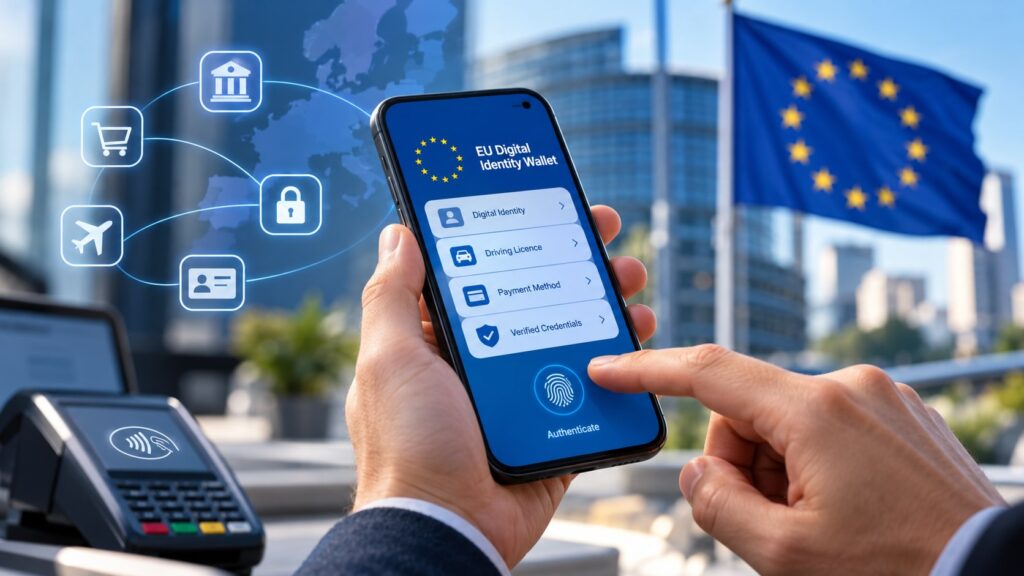
European digital identity wallets are approaching a new stage of development as the payments industry works towards common authentication standards. The initiative could eventually simplify online transactions, but its success will depend on interoperability, customer experience and the willingness of businesses to integrate another digital identity system.
AI in Advertising: Why Transparency Is Becoming a Competitive Advantage

Artificial intelligence has become an established part of advertising production, but its growing ability to create convincing images, voices and personalities is forcing brands to reconsider how they communicate with consumers. New European guidance suggests that meaningful transparency, rather than indiscriminate labelling, will be central to maintaining public trust.
Saving Energy and Homegrown Renewables Can Get Europe Through Winter Without Russian LNG, Say Ukrainian Campaigners

Razom We Stand urges EU governments to cut gas demand, expand domestic renewable energy and maintain the 1 January 2027 ban on Russian LNG, amid surging European gas prices.
EU Pay Transparency Rules Force Companies to Rethink Recruitment and Employer Communications

European employers face new requirements concerning salary disclosure, recruitment practices and gender pay reporting. However, uneven implementation across member states is creating a complicated compliance environment for businesses operating internationally.
Influencer Marketing Faces Greater Scrutiny as UK Regulator Tightens Advertising Guidance

Updated British advertising guidance places renewed emphasis on transparent sponsorship disclosures, commercial relationships and the responsibilities of brands working with online creators. The changes reflect growing regulatory attention to an industry where the distinction between personal recommendations and paid promotion is frequently unclear.
European Consumer Confidence Falls Ahead of Winter Shopping Season as Inflation Pressures Return

European households have become more pessimistic about their financial prospects, according to the European Commission’s latest survey. The deterioration comes as retailers prepare for the year’s most commercially important shopping period, raising questions about consumer spending, promotional strategies and the outlook for businesses.
Social Media Overtakes News Websites as Corporate Communications Enter a New Era

The Reuters Institute’s 2026 Digital News Report identifies a significant change in how audiences encounter news. For companies, public affairs professionals and communications agencies, the growing importance of social platforms presents new questions about reputation, message control and the relationship between organisations and traditional media.
EU–Mercosur Trade Agreement Opens New Commercial Opportunities for European Exporters
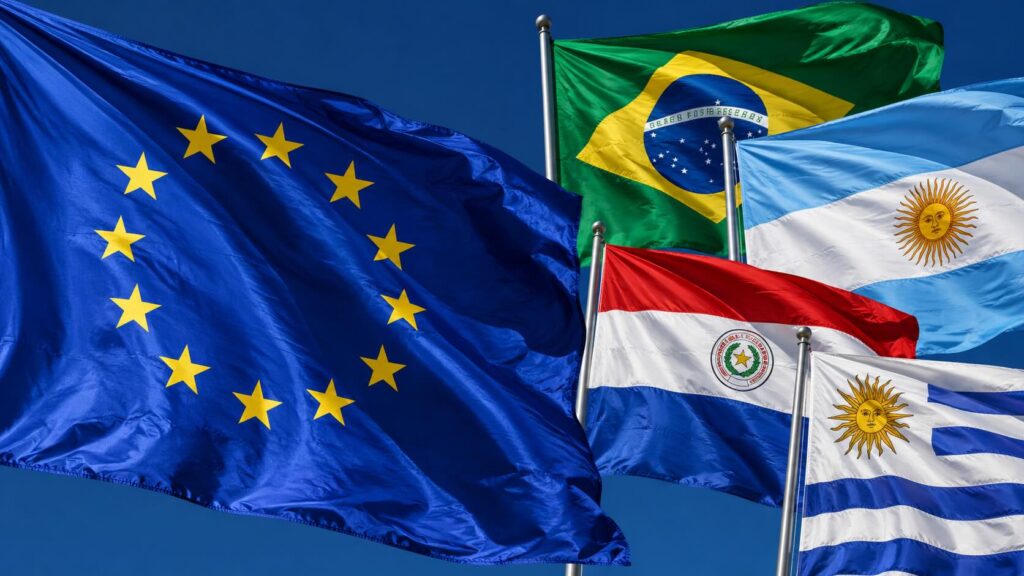
Six months after the provisional application of the EU–Mercosur interim trade agreement began, European businesses have access to new tariff preferences and improved trading conditions across four major South American markets. The agreement presents opportunities for exporters, manufacturers and service providers, although commercial and regulatory barriers remain.