
Updated British advertising guidance places renewed emphasis on transparent sponsorship disclosures, commercial relationships and the responsibilities of brands working with online creators. The changes reflect growing regulatory attention to an industry where the distinction between personal recommendations and paid promotion is frequently unclear.
The rapid expansion of influencer marketing has brought renewed regulatory scrutiny to the commercial relationships between brands, content creators and advertising agencies, with British authorities reinforcing requirements for paid promotions to be clearly identified.
On 23 October 2026, the Advertising Standards Authority (ASA) published the fourth edition of its guidance for influencers, setting out updated expectations for advertising disclosures, affiliate arrangements and other commercial relationships.
Developed in collaboration with the Competition and Markets Authority (CMA) and industry stakeholders, the revised guidance reflects changes in consumer protection legislation and research into how audiences recognise advertising on social media.
The guidance does not create an entirely new advertising regime. Instead, it clarifies how existing obligations should operate across an industry in which promotional material frequently resembles ordinary personal content.
Where advertising becomes difficult to recognise
Unlike television commercials or newspaper advertisements, influencer promotions are often incorporated into everyday content.
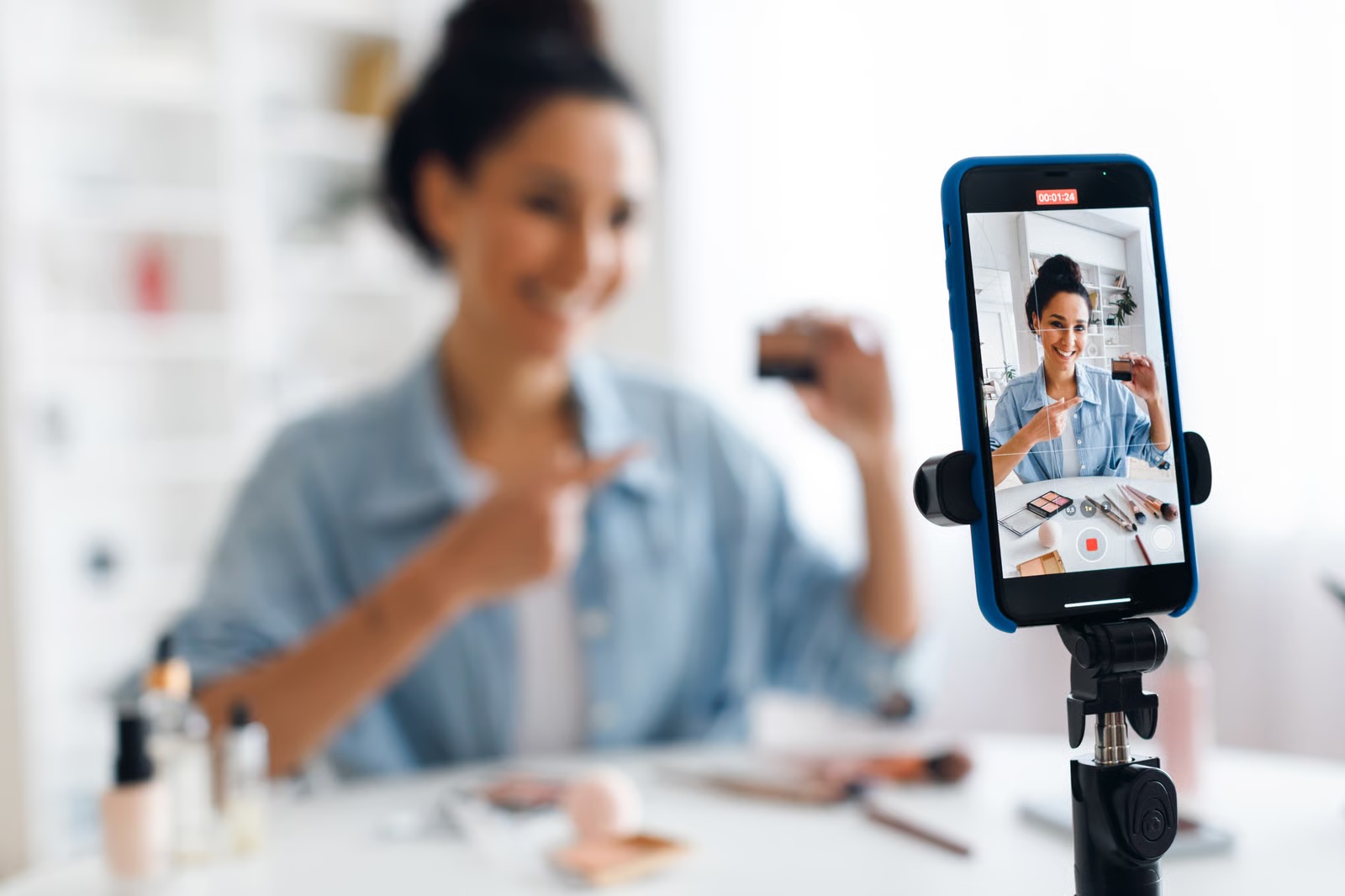
A creator might recommend a skincare product, share a hotel experience or demonstrate a household appliance without immediately revealing that a commercial relationship exists.
Such arrangements can involve direct payments, complimentary products, discounts, commissions or other incentives.
The ASA has repeatedly emphasised that commercial content must be clearly distinguishable from independent editorial or personal material.
Its guidance on social media advertising recommends prominent labels such as “Ad”, displayed where audiences can recognise the commercial nature of the content before engaging with it.
Descriptions such as “gifted”, “sponsored” or “in collaboration with” may be insufficient because consumers do not necessarily understand what commercial arrangements they represent.
A discount code or affiliate link also does not automatically provide adequate disclosure.
Research reveals consumer confusion
The revised guidance follows research published by the ASA in February 2026 examining consumer recognition of influencer advertising.
The findings indicated that audiences frequently struggle to distinguish commercial promotions from ordinary social media posts.
According to the regulator’s research, 80 per cent of the UK online population said they preferred influencers to be clear about advertising relationships.
Similarly, 79 per cent believed advertising disclosures should appear upfront without requiring additional clicks.
These findings have implications for campaign design.
A disclosure buried beneath several paragraphs of text or hidden among numerous hashtags may fail to communicate the commercial relationship effectively.
The visibility of a label also depends on the platform and format. Short-form videos, disappearing stories and live broadcasts present different practical considerations from conventional written posts.
Greater responsibility for brands
The updated guidance is particularly relevant to businesses using influencers as part of their marketing strategies.
The CMA’s guidance for brands makes clear that companies have responsibilities for promotional content arising from their marketing activities, even when an external creator publishes the material.
Providing free products can establish a commercial connection requiring disclosure, regardless of whether the company has formally requested a positive review.
Businesses are consequently expected to communicate disclosure requirements to creators and take action when promotions are incorrectly labelled.
For larger advertising campaigns involving numerous influencers, this raises practical questions about contractual terms, approval processes and monitoring.
Marketing teams may need to establish procedures that identify commercial content and verify disclosures before publication.
Fake reviews and enforcement powers
The October update also addresses fake consumer reviews and the implications of the Digital Markets, Competition and Consumers Act.
The legislation has strengthened the CMA’s ability to enforce consumer protection rules directly.
Where qualifying infringements are established, businesses can face penalties of up to 10 per cent of global turnover.
This maximum penalty should not be interpreted as an automatic sanction for every incorrectly labelled social media post. Enforcement depends on the applicable law and the circumstances of the infringement.
Nevertheless, the strengthened framework increases the potential financial consequences of serious misleading commercial practices.
Fake reviews are particularly significant because they can distort purchasing decisions while giving consumers the impression that endorsements are independent.
Regulators are examining not only who produces misleading content but also the businesses and intermediaries involved in commissioning or distributing it.
Implications beyond Britain
Although the ASA’s rules apply within the British advertising regulatory framework, international brands frequently operate campaigns across multiple European markets.
Such businesses must account for differences between national consumer protection regimes, platform-specific requirements and contractual arrangements.
A campaign designed for several countries may therefore require more than a single standard disclosure policy.
The expansion of influencer marketing also complicates the traditional division between public relations and advertising.
Product gifting, brand ambassadorships and paid collaborations can involve communications teams even when no conventional advertising budget is attached to an individual post.
For companies, the practical response is to treat influencer disclosure as part of campaign governance rather than leaving it entirely to creators.
Clear contractual obligations, appropriate labelling and monitoring can reduce the risk of promotional material being presented as independent opinion.
As social media becomes increasingly important to consumer purchasing decisions, regulators are seeking to ensure that audiences can identify the commercial interests behind the recommendations they encounter.