COP31 Puts Corporate Climate Claims Under Pressure as Trade and Finance Disputes Intensify
COP31’s finance and trade negotiations highlight the need for careful corporate environmental claims as stricter EU consumer protection rules take effect.


COP31’s finance and trade negotiations highlight the need for careful corporate environmental claims as stricter EU consumer protection rules take effect.

The agreement to deploy advanced artificial intelligence across ADNOC’s energy operations illustrates a change in corporate technology strategy: from isolated AI applications towards integrated decision-making systems. Its commercial success will depend on data governance, operational accountability and the ability to demonstrate measurable results.

New EU restrictions on environmental claims are changing how companies advertise products, present sustainability credentials and communicate with consumers. The rules place greater emphasis on verifiable evidence and could require substantial changes to established marketing practices.
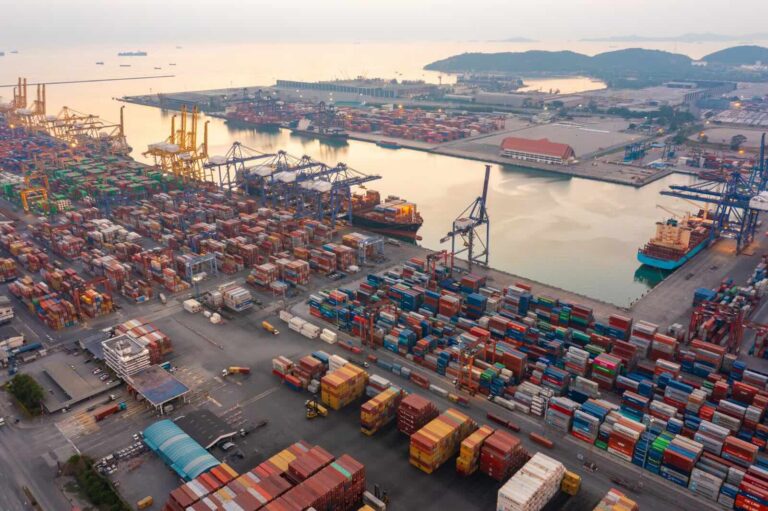
The European Commission is considering additional safeguards covering sectors including chemicals, plastics and industrial machinery. The measures could affect manufacturers, importers and supply chains as Brussels seeks to reduce its trade imbalance with China.
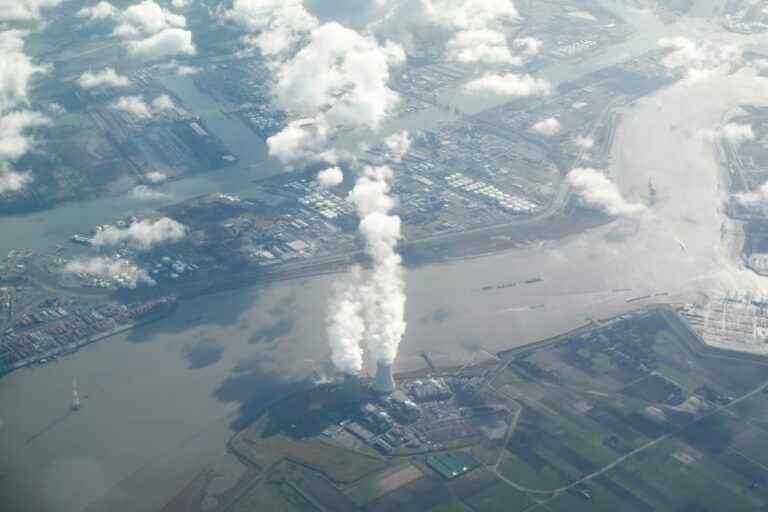
European lawmakers have reached a provisional agreement to modify the EU emissions trading system’s market stability reserve, seeking to make carbon allowances more predictable while maintaining the framework for reducing industrial emissions.

The European Commission has approved a new group of strategic mining, processing and recycling projects across 16 member states, seeking to reduce Europe’s dependence on imported minerals used in batteries, industrial machinery and advanced technologies.

Spanning approximately 523 kilometres, this railway will connect Kashgar in China’s Xinjiang province to Andijan in eastern Uzbekistan, cutting through Kyrgyzstan’s mountainous landscape.
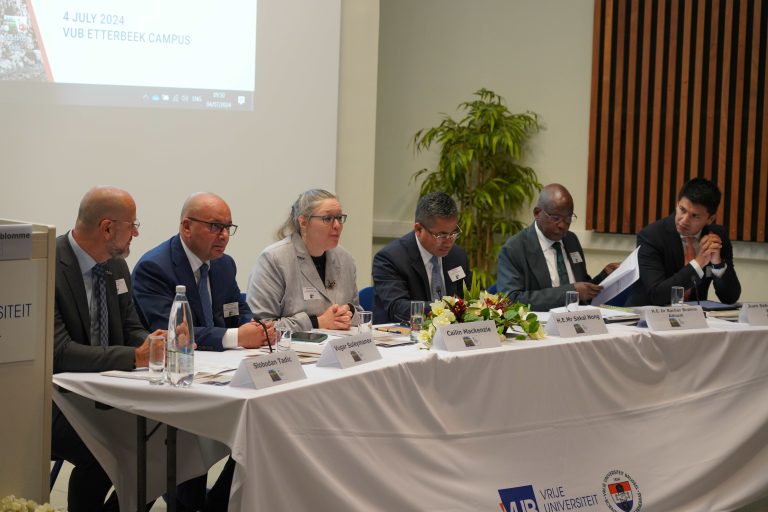
On 4th July 2024, a significant conference titled “Confronting the Landmine Challenge: Environmental Implications and Policy Responses” was held at the VUB Etterbeek Campus in Brussels, drawing together experts, diplomats, and stakeholders from various nations to deliberate on these pressing issues.