This article delves into the multifaceted aspects of Mongolia-EU cooperation, exploring the evolving relationship and the shared aspirations that underpin this thriving partnership.
Building Economic Bridges
One of the cornerstones of Mongolia-EU cooperation lies in the economic realm. Over the years, both parties have recognised the potential for mutually beneficial trade and investment. Mongolia’s rich natural resources, including minerals and cashmere, have found eager markets in the EU, while European machinery, technology, and expertise contribute to Mongolia’s economic diversification.
The ongoing negotiations on the Partnership and Cooperation Agreement (PCA) further underline the commitment to fostering a robust economic relationship.
FDI and Economic Development
Foreign Direct Investment (FDI) has played a crucial role in shaping Mongolia’s economic landscape. The EU has emerged as a significant source of FDI for Mongolia, bringing not just capital, but also technological know-how and best practices. This injection of foreign investment has contributed to infrastructure development, job creation, and the overall economic growth of Mongolia.
Cultural Ties and People-to-People Connections
Beyond the economic sphere, cultural exchanges and people-to-people connections have become vital components of Mongolia-EU cooperation.
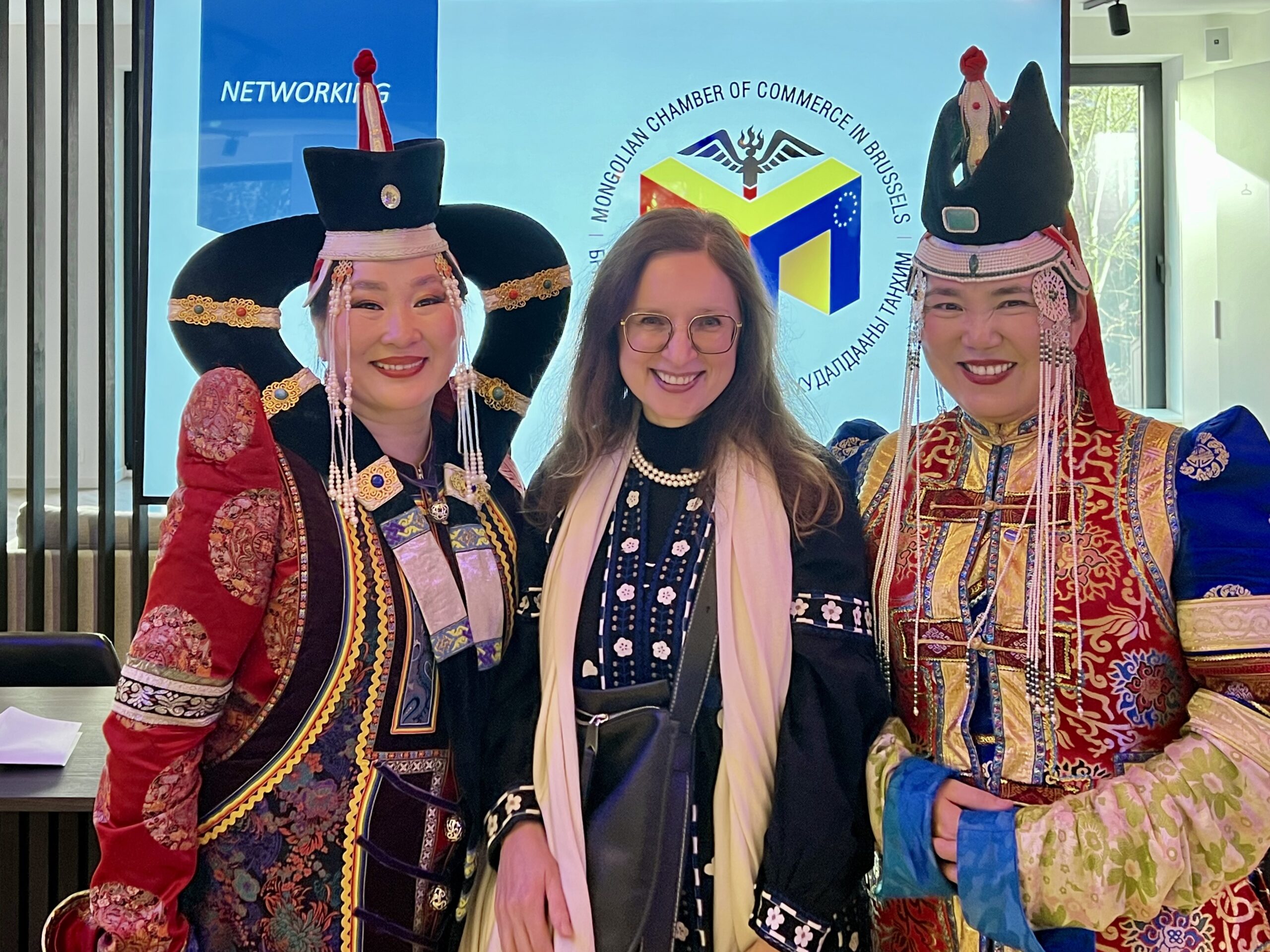
The Brussels-based office of the Mongolian National Chamber of Commerce and Industry in Europe serves as a bridge, facilitating networking, partnerships, and cultural events that enrich the understanding between Mongolian and European societies.
Educational collaborations, language exchange programs, and initiatives to preserve and showcase traditional arts further deepen the cultural bonds between the two regions.
Strategic Geopolitical Partnerships
Mongolia’s strategic geopolitical location has not gone unnoticed in the context of EU cooperation. As an essential political and economic player in Asia, Mongolia has actively participated in regional forums and organisations, including the Shanghai Cooperation Organisation (SCO). This engagement reflects the shared interest in fostering stability, security, and sustainable development in the broader Eurasian region.
Environmental Sustainability and Renewable Energy
With a global focus on environmental sustainability, Mongolia and the EU find common ground in the pursuit of green solutions. Mongolia’s vast and untapped renewable energy potential, particularly in wind and solar energy, aligns with the EU’s commitment to combating climate change. Collaborative efforts in the renewable energy sector showcase a shared vision for a sustainable and eco-friendly future.
Challenges and Opportunities
While Mongolia-EU cooperation has witnessed remarkable progress, challenges persist. Geographical distance, divergent regulatory frameworks, and the need for infrastructural improvements present hurdles that require careful navigation. However, these challenges are seen as opportunities for dialogue, collaboration, and the strengthening of diplomatic ties.
Meanwhile, the granting of GSP+ status by the EU in 2005, and its recent extension to 2027, is testimony to the country’s record on human rights, labour rights, environmental protection climate change, and democratic integrity. This status enables Mongolia to export to the EU at massively reduced tariff rates.
Conclusion
Mongolia-EU cooperation represents a dynamic and evolving partnership that extends beyond economic transactions.
The shared values of democracy, cultural diversity, and a commitment to sustainable development form the foundation of this flourishing relationship.
As both Mongolia and the EU continue to navigate the complexities of the global landscape, the potential for deeper collaboration and shared prosperity remains at the heart of this thriving partnership.
The story of Mongolia-EU cooperation is one of resilience, shared aspirations, and the belief that through collaboration, nations can achieve far more than they could alone.