Advocacy work often spans several political and public arenas. A message must retain its central facts while being adapted to the people who can act on it, report it or are directly affected by it.
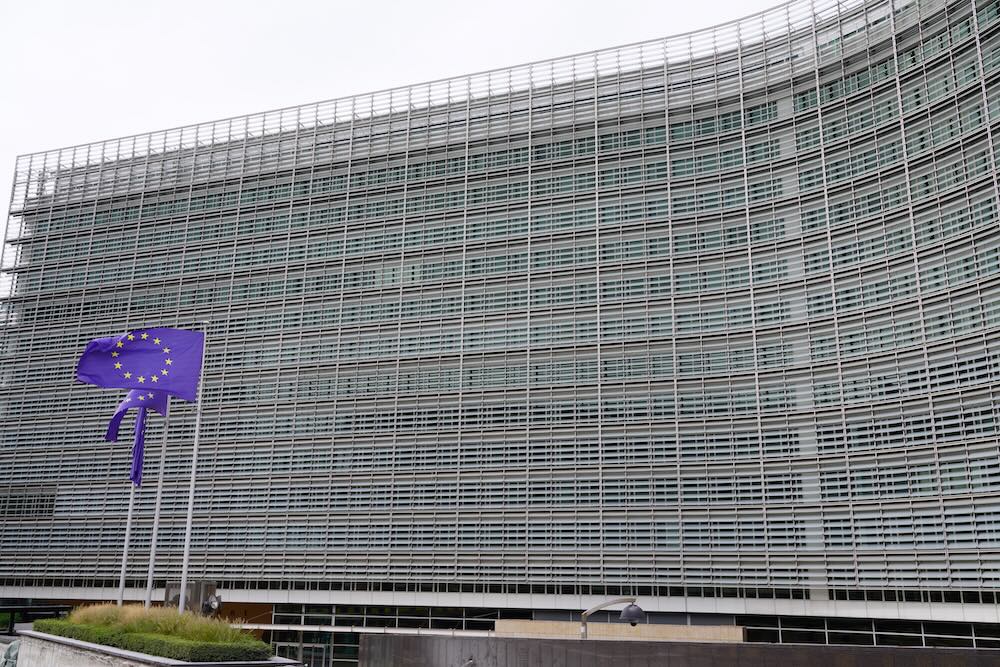
A campaign that begins in Brussels may need to reach policymakers in EU institutions, representatives at the United Nations, civil society groups and the wider public. These audiences do not have the same responsibilities or use the same language. Effective communication depends on understanding those differences while keeping the evidence and purpose of the campaign consistent.
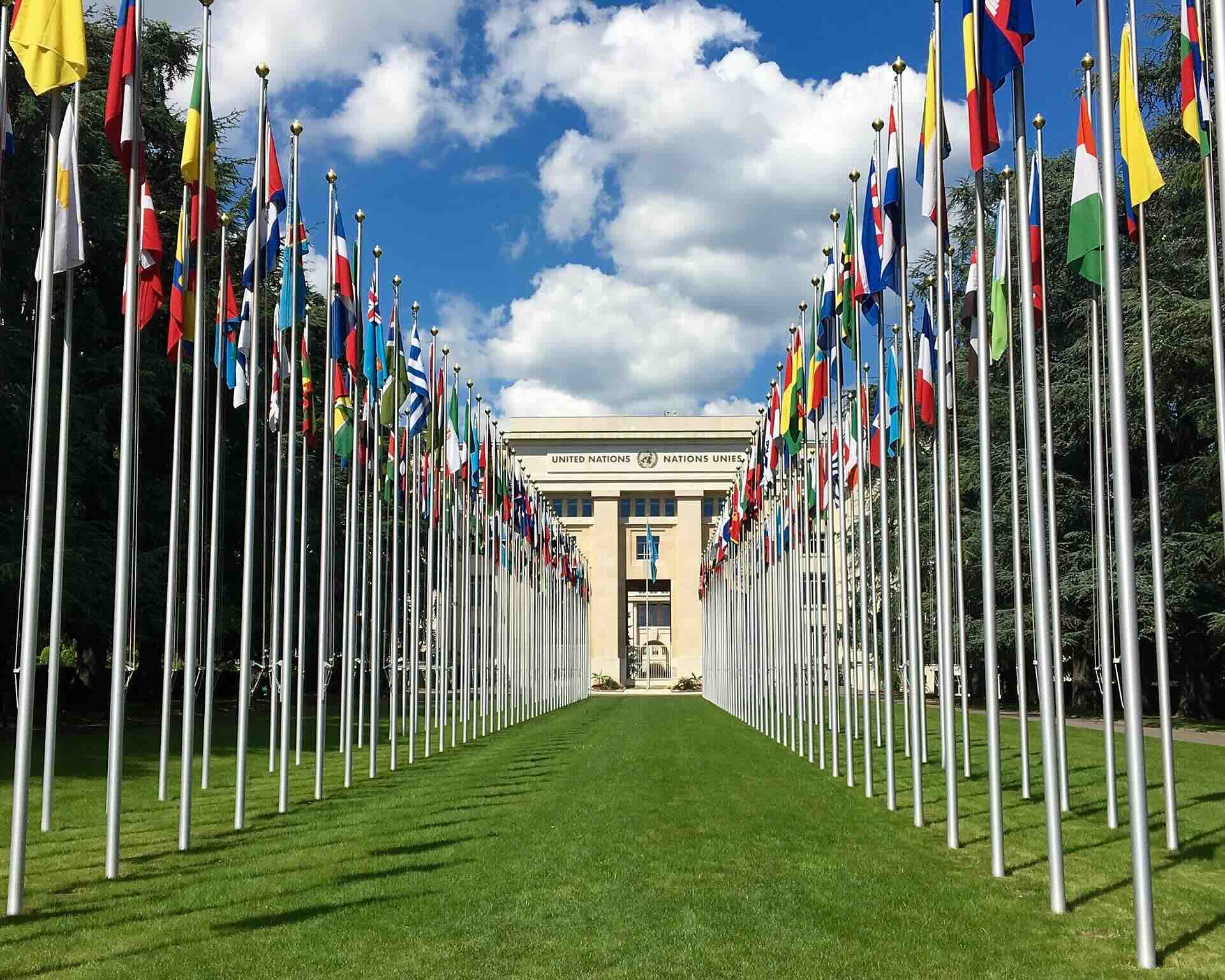
The distinction is clear in work involving EU trade policy and human rights. The EU’s Generalised Scheme of Preferences Plus (GSP+) gives eligible countries additional access to the European market, subject to commitments on international conventions. The European Commission and European External Action Service monitor implementation, with scrutiny also involving EU member states, the European Parliament and civil society. A recent UN side event in Geneva on Pakistan and GSP+ brought discussion of these issues to an international human rights setting.
The subject may be shared across both settings, but the route to influence differs. In Brussels, an organisation might need to identify which EU bodies are responsible, understand the relevant policy process and present evidence in a form that officials and elected representatives can assess. The Council’s account of EU law-making sets out how the Council and European Parliament negotiate and adopt legislation, generally on the basis of a Commission proposal. For advocacy groups, knowing where a decision sits in that process helps determine who needs to receive information and when.
At the United Nations, the purpose and audience are different. The Human Rights Council is an intergovernmental body that meets in Geneva. It is a forum for states to discuss human rights issues, while non-governmental organisations and other participants can contribute through the channels available to them. Communication there needs to make the human rights concern clear, explain the supporting evidence and identify what action is being sought from governments or international bodies.
The same material will not necessarily work in every setting. A detailed briefing for policymakers can set out legal obligations, institutional responsibilities and documented cases. A speech may need to express the central point clearly within a short time. A video interview can give a participant space to describe an experience in their own words. A public-facing article must provide enough context for readers unfamiliar with the policy or country concerned.
Adapting a message does not mean changing its substance. Names, dates, figures and claims should remain consistent across briefings, speeches, interviews and online material. Where accounts are disputed, the wording should make clear who is making the claim and what evidence is available. This discipline helps prevent an advocacy campaign from appearing to make stronger claims in one forum than it can support in another.
Coordination also matters. Speakers need to know the purpose of an event and the main points they are expected to address. Organisers need to prepare supporting material, confirm how it will be used and plan how the discussion will reach people who are not in the room. After an event, a written summary, video clips and social media posts can extend its reach, provided each format preserves the context of what was said.
Civil society organisations have a particular role in connecting institutional discussions with the people affected by policy. Their evidence may come from local groups, lawyers, researchers or individuals. A communication plan should make those sources visible, protect participants where necessary and avoid reducing complex experiences to a single slogan. It should also distinguish between a documented finding, an allegation and an opinion.
For communications teams, working across Brussels and Geneva therefore involves more than distributing the same press release to different contacts. It requires a clear account of the issue, a map of the relevant institutions and audiences, and material tailored to each stage of engagement. QuestComms’ work in public affairs, stakeholder engagement and communications sits within that wider process: helping organisations present their evidence clearly, reach relevant audiences and maintain a consistent account across different forums.