
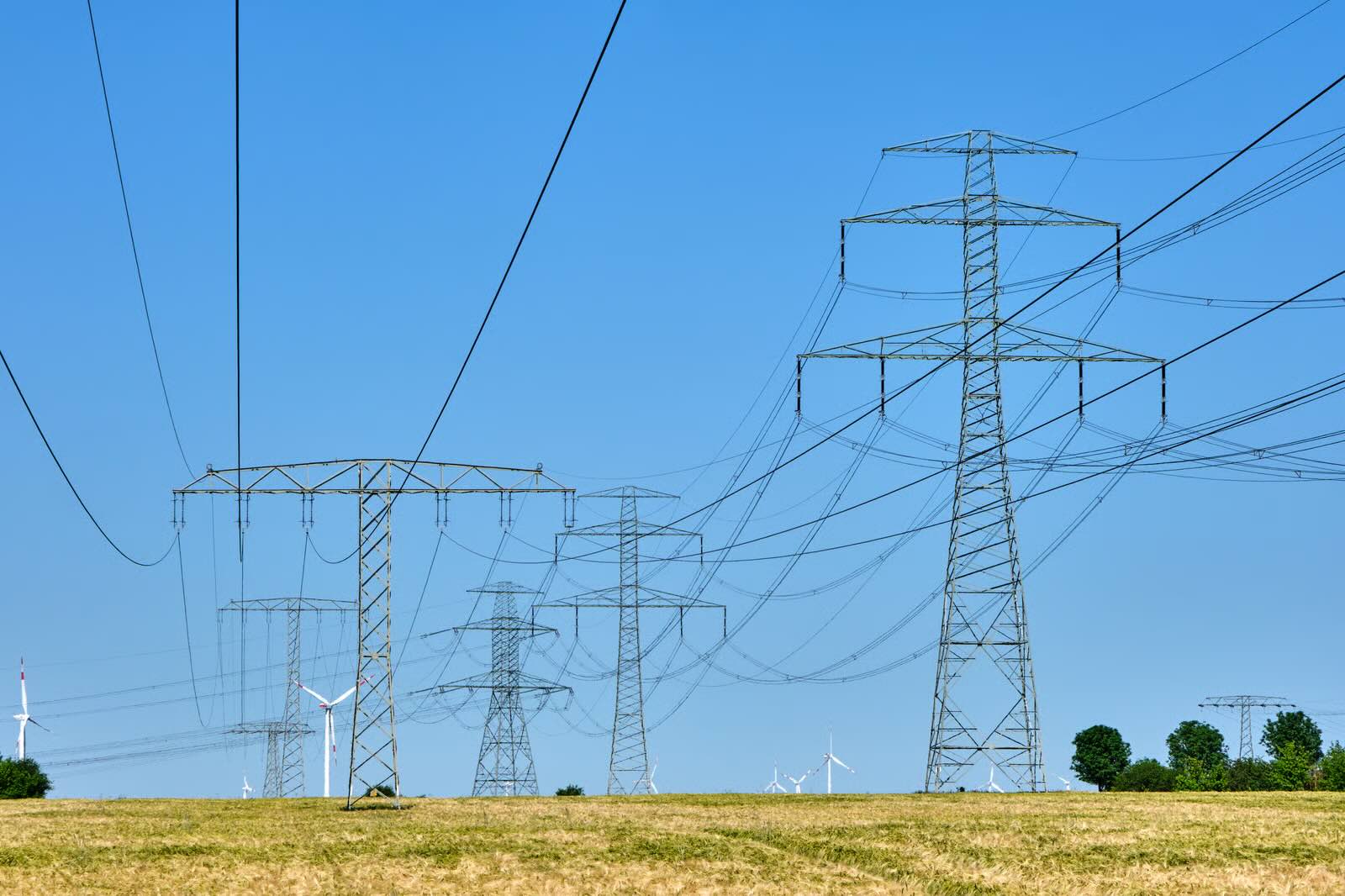
The European Commission is bringing together energy and technology specialists to examine how AI can improve electricity-grid management, reduce costs and integrate growing data-centre demand. The initiative highlights the technological and security challenges facing Europe’s energy infrastructure.
The European Commission is intensifying its examination of artificial intelligence applications in Europe’s electricity sector as energy networks face growing demand, increasingly decentralised generation and the technical challenges associated with large-scale electrification.
An online workshop scheduled for 29 October will bring together Commission representatives, researchers and industry stakeholders to examine how digital technologies can improve the operation of European energy systems.
The event is organised through the Energy Transition Expertise Centre and will focus on research supporting the Commission’s strategic roadmap for digitalisation and AI in energy.
According to the Commission’s event programme, discussions will cover electricity-grid operation, the role of data centres and the barriers preventing wider technological adoption.
The workshop follows the publication of the Commission’s strategic roadmap on 3 June, meaning the discussion concerns implementation and research findings rather than the initial announcement of a new policy.
Electricity grids become increasingly complex
European electricity networks were developed largely around systems in which major power stations supplied electricity to consumers through transmission and distribution infrastructure.
The expansion of renewable energy has changed that arrangement.
Wind and solar generation depend partly on weather conditions, while electricity is increasingly produced by smaller facilities connected at different points in the network.
Electric vehicles, heat pumps, battery storage and industrial electrification are also changing demand patterns.
These developments increase the amount of information electricity-network operators must process.
AI systems can analyse data from weather forecasts, smart meters, grid sensors and historical electricity consumption to support operational decisions.
Potential applications include forecasting electricity demand, identifying network congestion, predicting equipment failures and improving the coordination of distributed energy resources.
However, the effectiveness of these applications depends on the quality and availability of data.
AI cannot compensate for inadequate measurement infrastructure or eliminate the physical limitations of existing electricity networks.
Predictive maintenance and grid optimisation
One potential benefit concerns maintenance.
Electricity infrastructure contains thousands of components that must operate reliably over long periods.
Traditional maintenance programmes often rely on scheduled inspections and established equipment lifecycles.
Digital monitoring can provide additional information about actual operating conditions.
By examining temperature, vibration, electrical measurements and historical faults, analytical systems may help operators identify equipment requiring attention before a failure occurs.
Predictive maintenance could reduce unexpected interruptions and allow maintenance resources to be allocated more efficiently.
AI can also support electricity-flow forecasting and the management of demand during periods of network congestion.
The Commission’s Strategic Roadmap for Digitalisation and AI in the Energy Sector identifies grid optimisation, demand-side flexibility and energy efficiency as principal areas for technological development.
It also recognises the need for human oversight and adequate security controls when digital technologies influence critical infrastructure.
The €94 billion efficiency projection
The Commission has presented substantial estimates of the potential economic benefits.
According to its June 2026 policy announcement, AI-based optimisation of energy operations and maintenance could produce savings of up to €94 billion annually by 2035.
The Commission has also cited potential annual electricity-cost reductions of more than €71 billion through demand-side flexibility.
These are projections rather than savings already achieved.
Their realisation would depend on infrastructure investment, digital adoption, market participation and the availability of appropriate data.
For businesses, the distinction is important.
The economic case for an AI system must be assessed against implementation costs, operational requirements, security risks and measurable performance improvements.
Data centres create a parallel problem
The relationship between artificial intelligence and electricity is not one-directional.
AI may help optimise energy networks, but the computing infrastructure supporting AI also consumes substantial electricity.
The expansion of data centres introduces new demand that can be highly concentrated geographically.
Network operators may need to reinforce connections, invest in additional capacity or develop arrangements to manage consumption during periods of high demand.
The Commission’s roadmap therefore addresses both AI applications for the energy sector and the sustainable integration of data centres into electricity systems.
This dual relationship creates an unusual planning challenge.
The technology intended to improve network efficiency can simultaneously increase the demand placed upon that network.
For investors and data-centre operators, electricity availability is increasingly a factor in choosing locations and determining project schedules.
As QuestComms has previously examined in its discussion of Europe’s digital dependencies, technological development also raises questions about infrastructure control and strategic resilience.
Cybersecurity and data governance
The digitalisation of electricity infrastructure expands the number of systems that exchange operational information.
This can improve efficiency but also introduces additional cyber-security considerations.
Utilities must protect operational networks while ensuring that external services, software suppliers and data platforms do not compromise critical functions.
AI systems used to support grid operations require controls governing data integrity, access permissions, software updates and the reliability of automated recommendations.
Data governance is another challenge.
Electricity information may be distributed across transmission operators, distribution companies, energy suppliers, businesses and consumers.
Sharing relevant information requires technical interoperability and legal arrangements protecting commercially sensitive and personal data.
The Commission has identified these issues as part of its wider digitalisation strategy.
Funding and the next stage
The EU is already supporting research in this area.
According to the European Climate, Infrastructure and Environment Executive Agency, Horizon Europe has allocated approximately €1 billion to research and innovation involving energy systems, grids and storage during 2021–2027.
The 2026–2027 programme includes approximately €100 million for advanced smart grids and €75 million for AI energy applications.
A further €190 million supports digital solutions for renewable technologies, smart buildings and energy efficiency.
These allocations are programme funding, not evidence that every proposed technology has reached commercial deployment.
The 29 October workshop is intended to contribute to the discussion about which applications are most useful and what prevents their implementation.
For European utilities and technology companies, the next stage will involve translating research results into systems capable of operating reliably within existing electricity infrastructure.
The success of AI in the energy sector will ultimately depend less on the sophistication of individual algorithms than on integration, secure data access, demonstrable economic benefits and the ability of electricity networks to accommodate new demands.