French private investment firm Ardian announced on Monday, 9 November, that it had raised €1 billion for a dedicated semiconductor investment platform, marking a significant expansion of private-equity activity in an industry increasingly central to economic competitiveness and national security.
The new platform, Ardian Semiconductor, will invest across the semiconductor supply chain, with particular emphasis on European companies possessing specialist technologies and international growth potential.
According to Ardian’s official announcement, the total comprises approximately €700 million in fund commitments alongside co-investments.
The platform has already completed four investments, covering chip design, production equipment and testing technologies.
The announcement comes as governments and investors reassess the strategic importance of semiconductors, which are used in artificial intelligence, telecommunications, vehicles, industrial automation and defence systems.
For European companies, the development illustrates an increasingly important distinction between public industrial policy and private investment.
European governments can create incentives for semiconductor manufacturing, but commercial investors must still identify businesses capable of developing competitive technologies and generating sustainable returns.
A Broader Definition of the Semiconductor Industry
Discussion of semiconductor investment often concentrates on the construction of large manufacturing plants.
These facilities are expensive, technically complex and central to the production of advanced chips.
However, the semiconductor industry includes a much wider network of specialised companies.
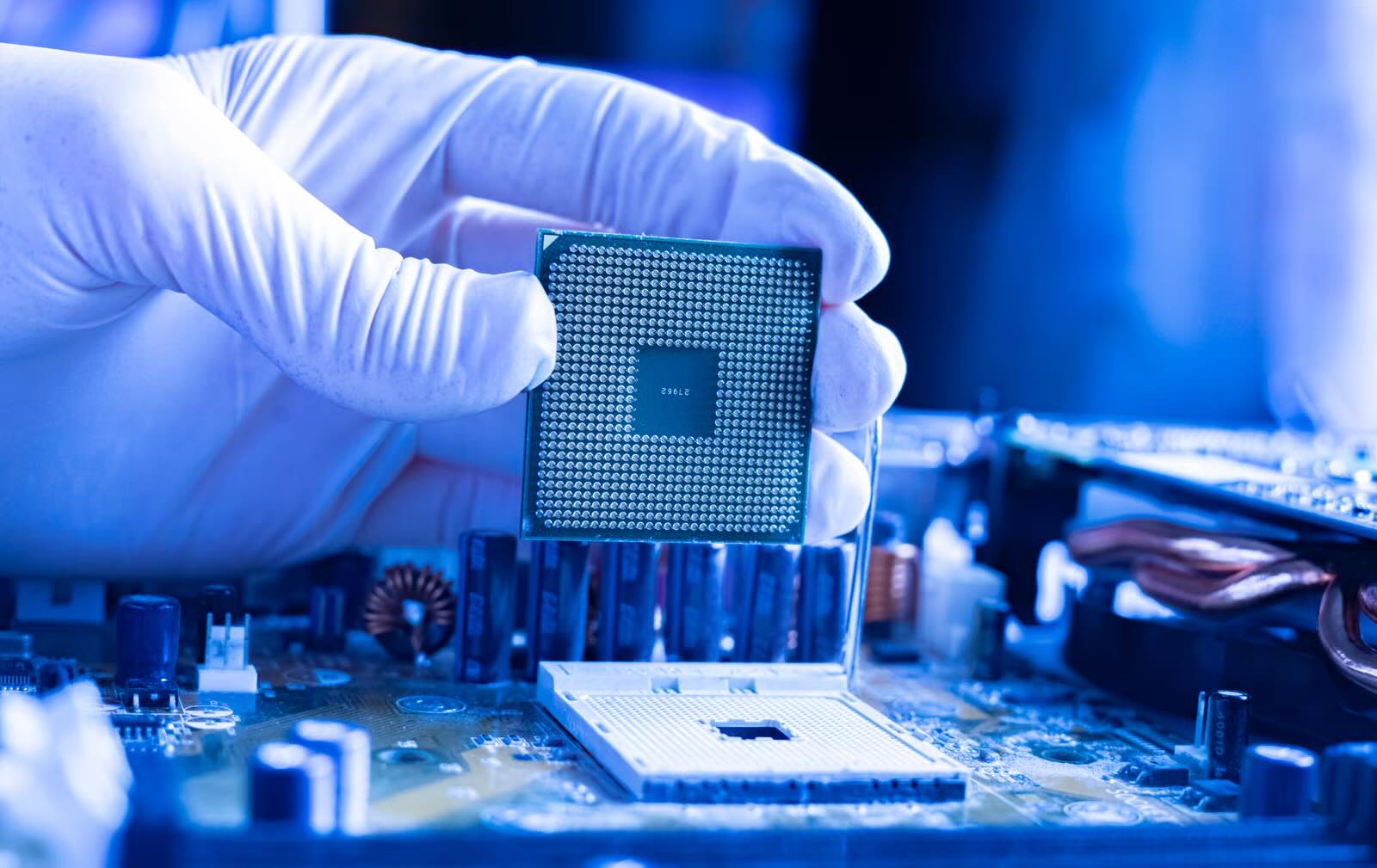
Chip production depends on design software, intellectual property, materials, manufacturing equipment, packaging technologies and testing systems.
European companies hold important positions in several of these activities, even where advanced semiconductor manufacturing remains concentrated elsewhere.
Ardian’s investment strategy reflects this broader industrial structure.
Rather than concentrating exclusively on constructing new fabrication plants, the platform targets businesses operating at different stages of the semiconductor value chain.
This approach could provide expansion capital to companies that possess established specialist technologies but lack the financial resources needed to enter international markets or increase production capacity.
It also offers investors exposure to semiconductor demand without requiring every investment to involve the enormous capital expenditure associated with building a fabrication facility.
Four Companies Illustrate the Investment Strategy
Ardian Semiconductor has already invested in four businesses.
French company VSORA develops AI inference accelerators intended for data-centre applications.
Germany’s centrotherm supplies thermal processing equipment used in semiconductor manufacturing, including silicon carbide technologies relevant to electric vehicles and power systems.
Synergie CAD, also based in France, develops advanced testing interfaces for semiconductor companies.
The fourth investment, Ion Beam Services, specialises in ion implantation equipment and related services.
Together, the businesses illustrate the diversity of activities necessary to support semiconductor production.
Ardian has established a strategic partnership with Silian Partners, whose management team brings experience in semiconductor manufacturing and industrial operations.
The investment platform also has a research partnership with French technology institute CEA-Leti.
These arrangements are intended to combine financial expertise with specialist knowledge of semiconductor technologies and production processes.
They do not guarantee investment success, but they indicate the technical requirements involved in assessing companies operating in this industry.
AI Is Changing Demand Beyond Advanced Processors
The expansion of artificial intelligence is creating demand for more than high-performance computing chips.
AI data centres require power-management components, communications equipment, specialised memory and technologies supporting heat management and efficient energy use.
Equipment manufacturers must also expand capacity to produce and test increasingly complex semiconductor products.
As Reuters reported on the Ardian fundraising, this broadening demand has increased investor interest in specialist companies operating throughout the chip supply chain.
The implications extend beyond data centres.
Automotive manufacturers, industrial technology businesses and telecommunications suppliers also depend on secure access to semiconductors with particular technical characteristics.
QuestComms recently examined how rising semiconductor costs are affecting Apple’s profitability, demonstrating that AI-related demand can influence businesses far removed from the construction of computing infrastructure.
For European manufacturers, supplier diversity and access to specialised components are consequently becoming important elements of commercial planning.
Private Capital and European Technological Sovereignty
The European Union has pursued policies intended to strengthen semiconductor manufacturing and reduce exposure to supply-chain disruption.
However, industrial autonomy cannot be achieved solely through public support for large projects.
Smaller businesses developing specialist equipment, materials and chip technologies also require capital to expand.
The Ardian initiative provides one possible financing mechanism.
Its investment mandate is international, encompassing North America and Asia as well as Europe. The full €1 billion should therefore not be interpreted as money reserved exclusively for European companies.
Nor does the announced fundraising establish that new manufacturing capacity has already been constructed.
There is also a difference between strengthening European semiconductor companies and achieving complete supply-chain independence.
The industry is globally interconnected, with design, equipment manufacturing, production and packaging frequently taking place in different countries.
For businesses, resilience may depend more realistically on diversified suppliers, reliable contracts and access to critical technologies than on the geographical concentration of every production stage.
What the Investment Means for European Technology Companies
The fundraising comes shortly after the European Commission outlined its proposed €5 billion Scaleup Europe Fund, intended to improve financing opportunities for growing technology companies.
The two initiatives have different structures, but both reflect the importance of capital availability in determining whether European technology businesses can expand internationally.
For semiconductor companies, access to experienced investors may support acquisitions, research, additional production facilities and commercial expansion.
However, expansion plans must still accommodate lengthy development cycles, demanding quality standards and fluctuating customer demand.
Ardian’s €1 billion platform represents a new source of specialist investment rather than a comprehensive solution to Europe’s semiconductor dependencies.
Its longer-term significance will depend on whether the businesses receiving investment can increase production, secure customers and develop technologies that remain competitive internationally.