
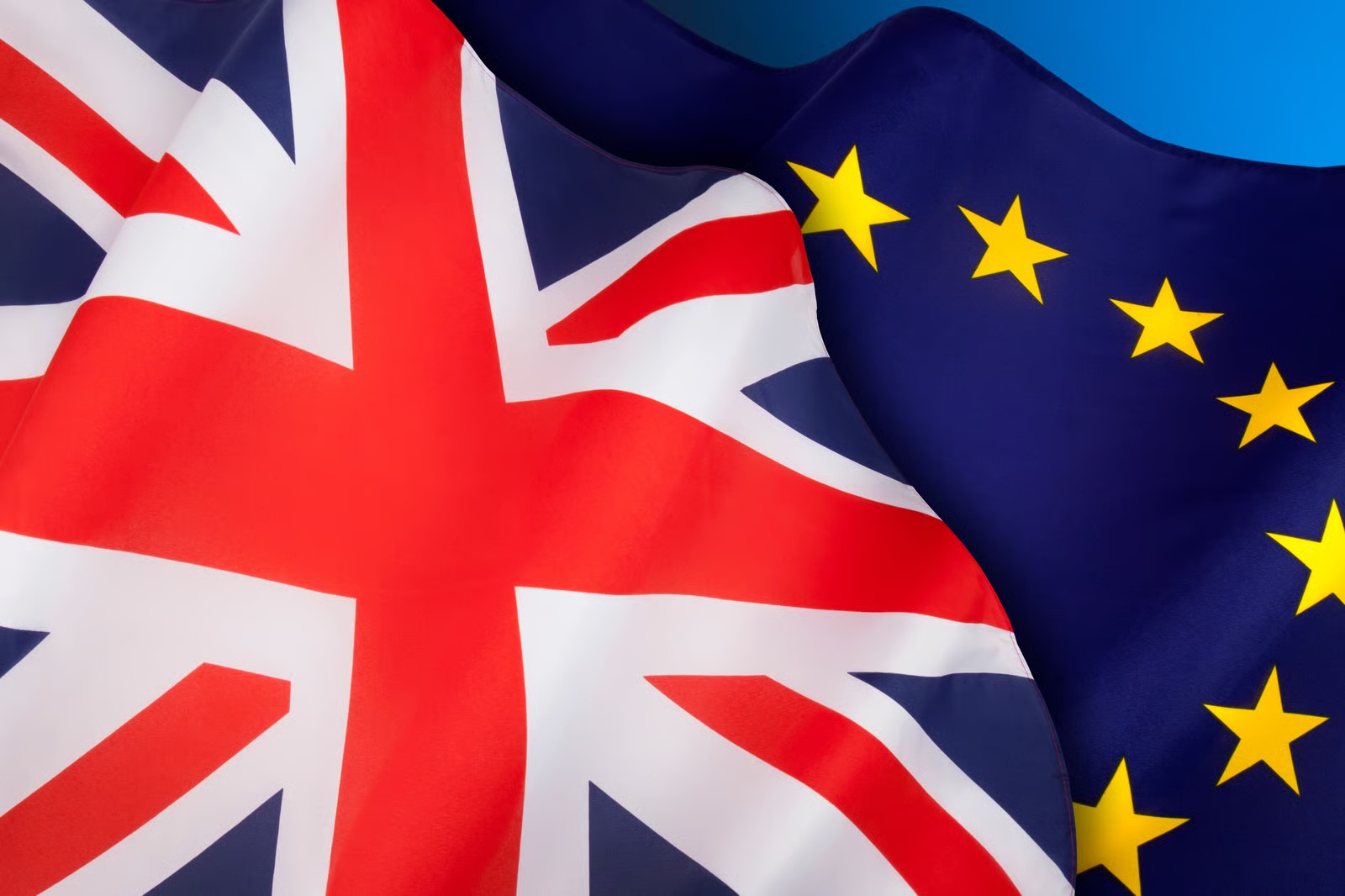
Britain and the European Union have agreed a draft agreement intended to remove substantial barriers to food and agricultural trade, bringing both sides closer to their most extensive regulatory settlement since the United Kingdom left the EU’s single market.
The approximately 200-page draft, circulated to EU member states on 3 November 2026, sets out arrangements for reducing border checks, eliminating many export certificates and aligning British food and agricultural standards with European legislation.
The text will be examined by EU ambassadors ahead of the UK–EU summit scheduled for 20 November in Brussels.
Although the draft represents progress in negotiations, it has not yet completed the formal political and legal procedures required to enter into force.
For businesses operating between Britain and continental Europe, the proposed changes could substantially reduce administrative costs. They would also require companies to prepare for a different regulatory relationship with the EU.
Removing the administrative costs of Brexit
Since Britain’s departure from the EU’s single market, companies exporting food and agricultural products have encountered additional documentation, inspections and certification requirements.
These arrangements have proved particularly burdensome for businesses dealing in perishable goods, where border delays can affect product quality and commercial viability.
Under the proposed sanitary and phytosanitary agreement, commonly known as the SPS agreement, many of these requirements would disappear.
According to reporting on the draft negotiations, the proposed arrangements would remove export health certificates, phytosanitary certificates and numerous associated inspection requirements.
An export health certificate can cost approximately £200, while a phytosanitary certificate may cost around £25, before additional handling or inspection charges.
For companies sending frequent consignments, such expenses can accumulate into substantial annual costs.
The draft would also facilitate trade in certain products that have faced restrictions since Brexit, including fresh sausages, burgers, selected shellfish and seed potatoes.
British exporters could consequently regain access to market segments that have become commercially difficult or inaccessible.
The Department for Business and Trade has previously estimated that the wider agreement could contribute up to £5.1 billion annually to the British economy, although the eventual benefits will depend on implementation and business participation.
Regulatory alignment comes with obligations
The proposed reduction in border checks is not unconditional.
Britain would accept alignment with relevant EU food safety, animal health, plant health and agricultural regulations.
This would include a process for incorporating future changes to European rules into the British regulatory system.
The UK government’s published list of legislation in scope covers areas extending beyond traditional agricultural inspections.
These include food labelling, traceability, nutrition and health claims, organic production, pesticides, food supplements and other product standards.
Consequently, the agreement would affect businesses that do not directly export to the European Union.
British food manufacturers, retailers, importers and other operators would need to determine whether their existing procedures remain compliant as regulatory alignment develops.
For companies with operations on both sides of the Channel, a common regulatory framework could reduce duplication.
However, businesses accustomed to separate British requirements may need to revise compliance documentation, supplier specifications, packaging and internal operating procedures.
Implications for Northern Ireland
The agreement could also simplify the movement of goods between Great Britain and Northern Ireland.
Northern Ireland continues to operate under distinctive arrangements connected to its access to the EU single market for goods.
This has created additional administrative requirements for certain products entering Northern Ireland from elsewhere in the UK.
Closer regulatory alignment between Britain and the EU would reduce the need for some of these checks and associated paperwork.
For logistics companies and retailers managing supply chains across the Irish Sea, this could produce operational savings and simplify inventory planning.
Nevertheless, the practical effects will depend on the final provisions and the timetable agreed by both sides.
Businesses face uncertainty over implementation
The expected date of implementation remains unresolved.
The UK government’s existing business guidance refers to an intended mid-2027 start, but that guidance predates the latest political timetable.
Recent reports indicate that implementation may be delayed until early 2028.
On 28 October, ministers confirmed in a parliamentary answer that negotiations were advanced but that the precise implementation date had not been formally announced.
Businesses should therefore avoid treating either timetable as final until the agreement and accompanying transitional arrangements are confirmed.
The Food Standards Agency has also identified the need for clear guidance on product authorisations, transitional periods and the treatment of existing stocks.
These matters will determine how much preparation companies need before the new arrangements take effect.
Communication will be part of implementation
A regulatory agreement of this scale creates a substantial communications requirement for businesses.
Companies will need to explain changes to suppliers, customers, distributors and employees, particularly where product standards or documentary procedures are affected.
Importers and exporters may also need to coordinate information across several jurisdictions and business functions.
Clear internal communication will be necessary to distinguish requirements that are being removed from obligations that remain in force.
Public-facing communication will be equally important where changes affect product labelling, availability or customer expectations.
As QuestComms has previously examined in its coverage of European commercial agreements, the commercial value of new market arrangements depends partly on how effectively businesses translate regulatory changes into operational decisions.
The proposed UK–EU agreement could reduce costs and simplify trade across one of Europe’s most important commercial relationships.
Its practical value, however, will emerge only when the final rules, implementation dates and transitional arrangements are established.
For businesses, the immediate task is to identify which regulations affect their operations and prepare to communicate the changes throughout their supply chains.